


Search Engine Optimization: Basics Every Business Should Know in 2025
How To improve technical SEO
Site Architecture
A well-organized site structure helps search engines navigate and index your pages efficiently.
Crawling and Indexing
Ensuring that search engines can access and index your pages is fundamental.
Mobile Optimization
Your site must be mobile-friendly to cater to users on various devices.
Page Speed
Fast-loading pages enhance user experience and can impact your rankings.
Duplicate Content
Addressing duplicate content issues is essential to avoid penalties.
How To Improve Technical SEO
- Optimize JavaScript and XML Sitemaps
- Ensure a Clear URL Structure
- Utilize Structured Data
- Fix Broken Links and Redirects
- Address Hreflang Tags for International Sites

BUILDING YOUR DIGITAL HOUSE
The Foundation: Technical SEO
What is Technical SEO?
Technical SEO is similar to laying the foundation of your home. It ensures your website meets the technical requirements necessary for search engines to crawl, render, and index your pages effectively. You wouldn’t start building your house without a solid foundational plan first, right?
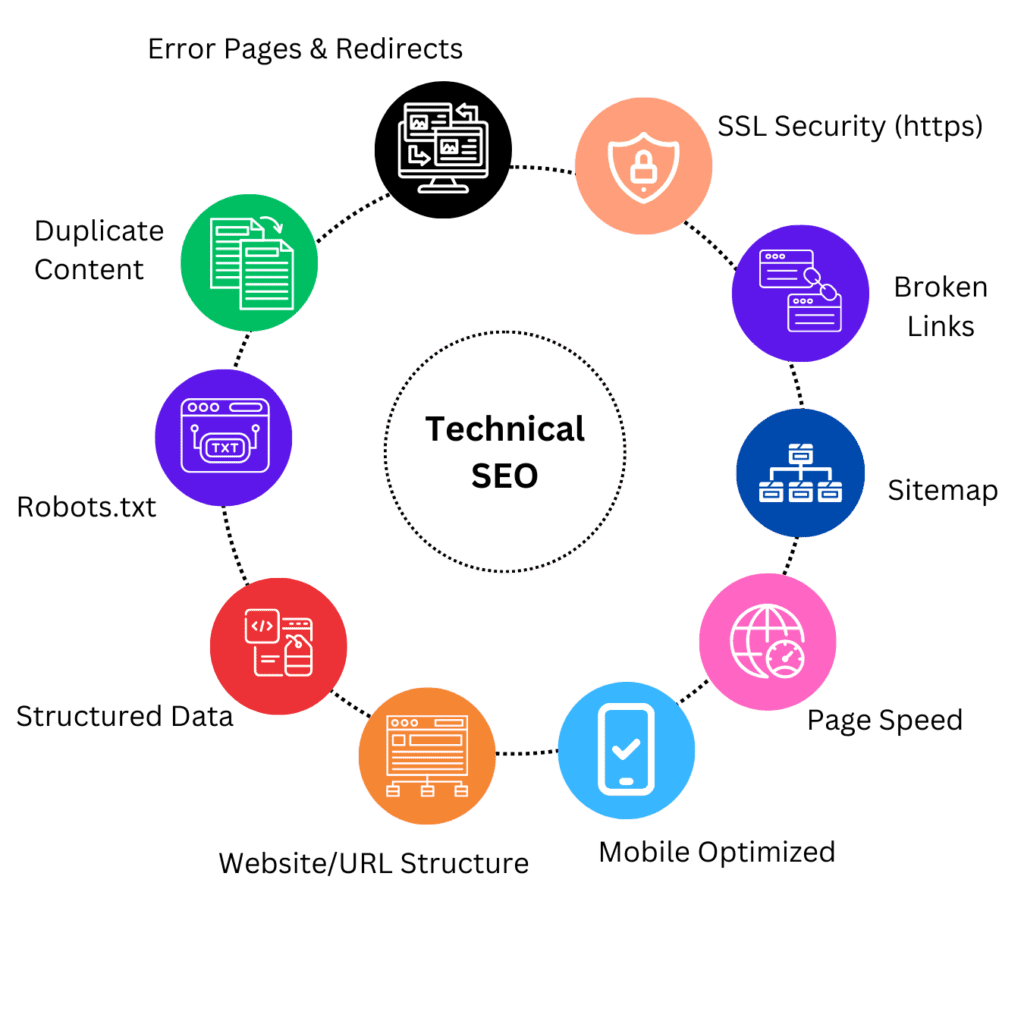
Key Elements of Technical SEO
Site Architecture: A well-organized site structure helps search engines navigate and index your pages efficiently.
Crawling and Indexing: Ensuring that search engines can access and index your pages is fundamental.
Mobile Optimization: Your site must be mobile-friendly to cater to users on various devices.
Page Speed: Fast-loading pages enhance user experience and can impact your rankings.
Duplicate Content: Addressing duplicate content issues is essential to avoid penalties.
Among many, many other things.
Why is Technical SEO Important?
Going back to our house, the foundation planning and layout is arguably the most important element of building a home. It will dictate the rest of the project including what you’re able to do or build in your space. Everyone wants a well planned out and structurally sound foundation to build on, and SEO is the same.
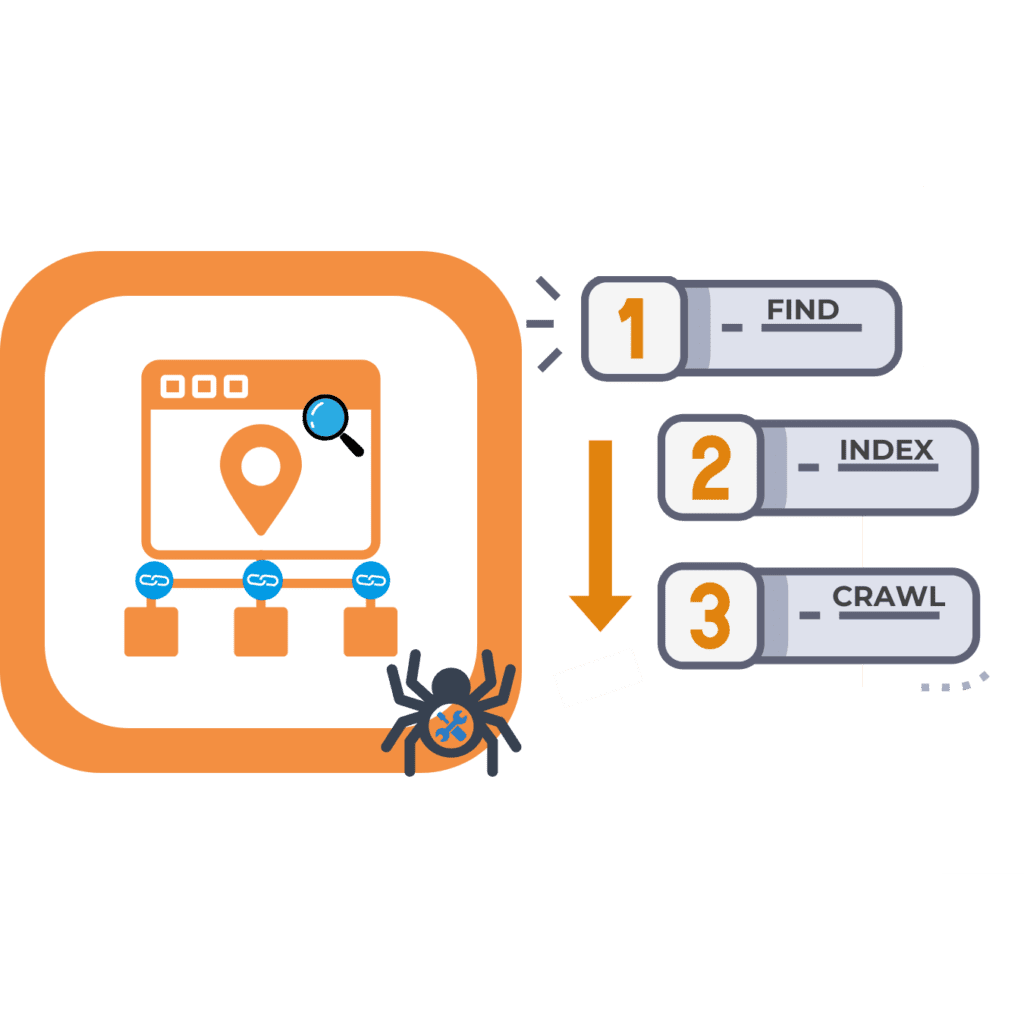
At the end of the day search engines read code — they must be able to crawl, render, and index the pages on your website without issues. With the millions of websites and competitors out there this is in my opinion the most important, but often most forgotten or incorrectly executed element of SEO.
Even if you have the best content and user experience, if the foundational elements of your website are messed up it will for certain negatively impact your ability to rank.
The Structure: On-Page SEO
What Is On-Page SEO?
On-page or on-site SEO is like constructing the walls, windows, and interiors of your home. It involves optimizing individual pages to make them search-engine friendly.
Why Is On-Page SEO Important?
A well-structured site with quality content ensures that your pages are valuable to users and search engines alike. It helps establish your site’s relevance and authority on specific topics.
Key Aspects of On-Page SEO

Content Quality: Unique and relevant content is vital for engaging visitors and search engines.
Title Tags and Meta Descriptions: Craft compelling titles and descriptions to improve click-through rates.
Header Tags and Keyword Optimization: Use headers and keywords effectively to enhance readability and relevance.
Internal Linking: Helps distribute page authority and guide visitors through your site.
How To Improve On-Page SEO
- Craft Unique, High-Quality Content
- Optimize Title Tags, Meta Descriptions, and Headers
- Implement a Logical Internal Linking Structure
- Ensure Mobile-Friendliness
The Roof: Off-Page SEO
What is Off-Page SEO?
Off-page or off-site SEO is like the roof of your house. It protects and enhances your site’s visibility through external factors such as backlinks, social media presence, and online citations.

Why Is Off-Page SEO Important?
Strong off-page SEO signals to search engines that your site is authoritative and trustworthy. It helps maintain your site’s visibility and credibility across the web.
RELATED: Off-Page SEO: The Roof Over Your Digital House in 2025
How to improve off-page SEO
Build Quality Backlinks: Quality backlinks from reputable sites boost your site’s authority and trustworthiness.
Enhance Social Media Engagement: Engaging on social media platforms can drive traffic and improve brand visibility.
Citations and Reviews: Manage online reviews and citations. Positive mentions and reviews enhance your site’s credibility.